

Updated: 20-11-2026
Imagine walking into a shopping mall and seeing a giant interactive brand installation. Visitors are taking photographs, trying new products, playing games and sharing their experiences on social media. Instead of simply watching an advertisement, they are becoming part of the brand story.
That is the power of experiential marketing.
In 2027, brands across India are moving beyond traditional advertising and exploring innovative ways to connect with consumers. From premium mall activations and product launches to roadshows, immersive installations and technology-driven brand experiences, experiential marketing is changing how businesses attract and engage their audiences.
But before planning a campaign, one question naturally comes to mind:
How much does experiential marketing cost in India?
The answer depends on the campaign concept, execution requirements, location, production, manpower, technology and duration. Every campaign is different, and a customized approach is essential to planning the right experience.
This guide explains everything businesses should understand before planning an experiential marketing campaign in India in 2027. It covers campaign formats, budget considerations, execution requirements, emerging trends and how Experiential In India helps brands bring creative marketing ideas to life.
What Is Experiential Marketing and Why Are Indian Brands Investing in It?
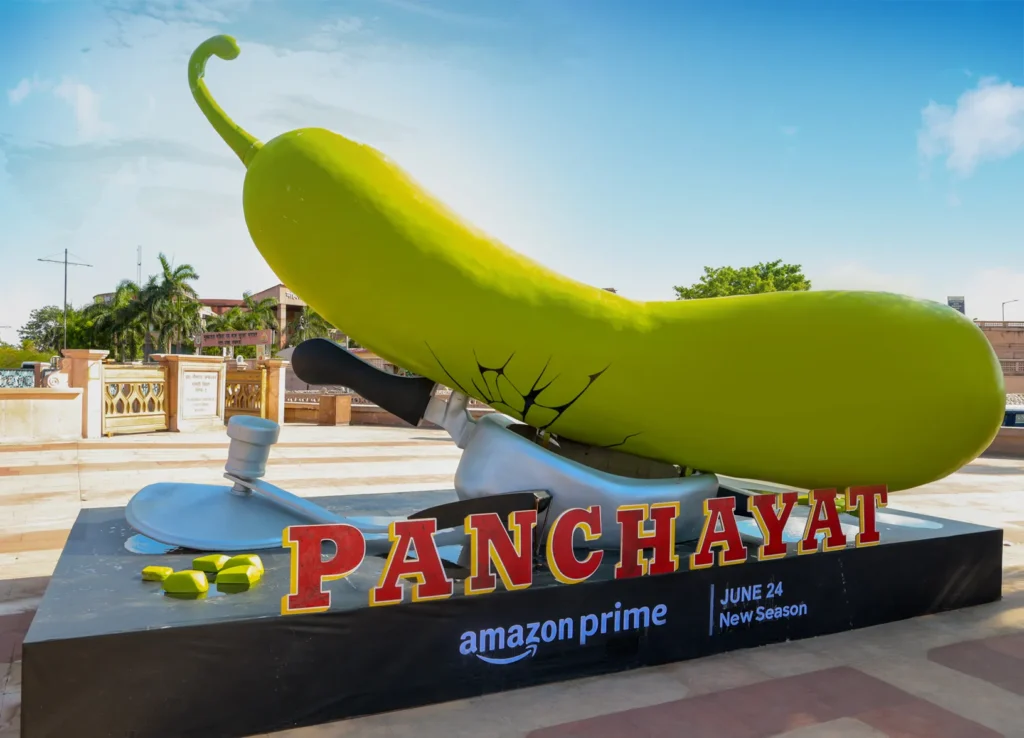
Experiential marketing is a strategy that allows customers to experience a brand rather than simply see its advertisements.
Think about the difference between watching a television advertisement for a new product and actually experiencing that product inside a shopping mall.
The second experience creates an opportunity to interact, explore, ask questions and understand what makes the product different.
That is what makes experiential marketing powerful.
Brands use different activities to create memorable interactions with their audiences.
Some popular experiential marketing activities include:
- Interactive brand activation campaigns.
- Mall and shopping centre activations.
- Product sampling and product demonstrations.
- Corporate and promotional events.
- Roadshows and mobile brand promotions.
- Exhibition and trade show experiences.
- College and campus activations.
- Immersive AR and VR experiences.
- Holographic displays and projection mapping.
- Retail and in-store promotional campaigns.
The objective is simple: Turn ordinary brand communication into an experience that people remember.
How Much Does Experiential Marketing Cost in India in 2027?
There is no universal pricing structure for experiential marketing because every campaign has different requirements.
A small product sampling activity, a premium mall activation and a multi-city promotional roadshow require completely different planning and execution arrangements.
Instead of looking at experiential marketing as a fixed-price service, brands should understand the elements that influence campaign planning.
1. Type of Campaign and Activation Format
The campaign format determines the creative, production and operational requirements.
| Experiential Marketing Activity | Key Execution Requirements |
| Mall Activation | Mall permissions, promotional kiosks and engagement activities |
| Product Sampling | Product distribution, promoters and logistics |
| Roadshow Marketing | Branded vehicles, transportation and city coordination |
| Corporate Activation | Venue management, branding and employee engagement |
| Product Launch | Stage production, audiovisual systems and guest management |
| Exhibition Setup | Stall fabrication, branding and installation |
| Retail Activation | Promotional counters and product demonstrations |
| Immersive Marketing | AR, VR, holograms and interactive technology |
Expert Tip: Select your campaign format according to your target audience and marketing objective, not simply because a particular activation looks attractive.
2. Location Selection and Target Audience
Location can significantly influence the planning of an experiential marketing campaign.
A brand targeting premium consumers may prefer luxury shopping destinations, while an FMCG company may focus on supermarkets, residential communities and high-footfall retail locations.
Some popular Indian markets for experiential marketing include:
| City | Potential Activation Locations |
| Delhi | Shopping malls, commercial hubs and public venues |
| Mumbai | Premium malls, retail destinations and event spaces |
| Gurgaon | Corporate parks, shopping centres and residential communities |
| Bengaluru | Technology parks, shopping malls and educational institutions |
| Pune | Retail destinations, colleges and commercial hubs |
| Hyderabad | Shopping centres, IT parks and event venues |
| Chennai | Retail centres, commercial areas and exhibition venues |
| Kolkata | Shopping malls, exhibition centres and public venues |
| Ahmedabad | Commercial destinations, retail centres and event spaces |
| Jaipur | Shopping destinations, hotels and public venues |
The right location ensures that brands connect with audiences who are genuinely relevant to their products or services.
3. Creative Concept and Experience Design
A successful activation needs more than a branded backdrop and a promotional counter.
It needs an idea that makes people stop, participate and remember the brand.
For example, a smartphone brand could create an interactive photography zone where visitors test camera features. A beverage company could organise a creative sampling experience with an engaging product discovery activity.
Creative execution may include:
- Custom-designed activation structures.
- Interactive product demonstration zones.
- Branded selfie points and photo booths.
- Themed experience installations.
- Gaming and participation activities.
- Digital engagement screens.
- Creative product display units.
The stronger the connection between the creative concept and the brand message, the more meaningful the experience can become.
4. Manpower and Campaign Management
Behind every successful activation is a team responsible for managing the experience.
Depending on the campaign, the execution team may include brand promoters, brand ambassadors, supervisors, event managers, technical staff and production coordinators.
Their responsibilities include visitor engagement, product demonstrations, crowd coordination, daily reporting and maintaining campaign quality.
Professional on-ground management is particularly important when a campaign is running across multiple locations.
5. Fabrication, Production and Branding
Experiential marketing often involves creating physical spaces where customers can interact with brands.
Production requirements may include:
- Promotional kiosks and display counters.
- Custom fabrication and branding structures.
- Exhibition stalls and product display units.
- Stage setups and event backdrops.
- Promotional vehicles and mobile installations.
- LED screens and digital displays.
- Interactive installations and branded environments.
A professionally designed setup helps create a consistent brand identity while improving the overall visitor experience.
6. Technology Integration
Technology is opening new possibilities for experiential marketing in India.
Brands can now create experiences that combine physical interaction with digital engagement.
Some popular technologies include:
| Technology | Brand Experience |
| Augmented Reality | Virtual product interaction |
| Virtual Reality | Immersive brand environments |
| Holographic Displays | Three-dimensional visual presentations |
| Projection Mapping | Dynamic visuals on physical surfaces |
| Interactive LED Screens | Digital audience engagement |
| AI-Powered Experiences | Personalised customer interactions |
| Digital Photo Booths | Interactive branded photography |
| Gamification | Participation-based brand activities |
The best technology is not necessarily the most complicated one. It is the technology that makes the brand experience more relevant and engaging.
What Does an End-to-End Experiential Marketing Campaign Include?
Many businesses assume that experiential marketing simply means organising an event or setting up a promotional stall.
In reality, a successful campaign involves multiple activities working together.
Here is what a complete experiential marketing execution process can include.
| Campaign Stage | Activities |
| Strategy | Understanding objectives and target audiences |
| Creative Planning | Developing campaign concepts |
| Location Research | Identifying suitable venues |
| Permissions | Coordinating venue and relevant approvals |
| Design | Creating activation layouts and visual concepts |
| Production | Fabrication, branding and installation |
| Manpower | Recruiting and managing activation teams |
| Logistics | Transportation and material management |
| Execution | On-ground campaign operations |
| Monitoring | Quality checks and campaign supervision |
| Reporting | Photographs, engagement data and performance reports |
Having one coordinated execution partner helps businesses manage these activities more efficiently.
10 Experiential Marketing Ideas That Can Make Brands Stand Out in 2027
If your brand wants to attract attention, a conventional promotional setup may not always be enough.
Here are some creative experiential marketing ideas worth exploring.
1. Interactive Mall Activation
Create an engaging branded experience inside a shopping mall where visitors can participate in games, product demonstrations and promotional activities.
2. AI-Powered Brand Experience
Use AI-based interactions to create personalised experiences that encourage visitors to explore the brand.
3. Holographic Product Presentation
Introduce products through holographic displays that create visually engaging three-dimensional presentations.
4. Mobile Brand Activation
Take your brand directly to consumers through branded promotional vehicles and mobile experience units.
5. AR-Based Product Experience
Allow customers to explore products through augmented reality applications and interactive digital experiences.
6. Experiential Product Sampling
Transform ordinary product sampling into a memorable activity through creative engagement zones and demonstrations.
7. Immersive Projection Mapping
Use projection mapping to transform physical surfaces into dynamic visual experiences.
8. College Campus Activation
Connect with younger audiences through interactive games, product demonstrations, competitions and branded activities.
9. Retail Store Experience
Create engaging in-store promotional zones that encourage customers to explore and interact with products.
10. Phygital Brand Activation
Combine physical installations with digital technology to connect on-ground experiences with online engagement.
The right concept depends on the product, audience, campaign objectives and location.
How to Plan an Experiential Marketing Campaign Without Missing Anything
A creative idea is only the beginning. Successful execution requires proper planning.
Here is a practical campaign planning framework.
Step 1: Understand the Brand Objective
Determine whether the campaign is designed for brand awareness, product trials, customer engagement, product launches or market expansion.
Step 2: Identify the Target Audience
Understand customer demographics, interests, location preferences and buying behaviour.
Step 3: Select the Campaign Format
Choose between mall activation, roadshows, product sampling, corporate events, exhibitions or immersive experiences.
Step 4: Finalise Locations
Select venues based on audience relevance, footfall, accessibility and operational requirements.
Step 5: Develop the Creative Concept
Create an activation idea that encourages participation and communicates the brand message.
Step 6: Arrange Permissions and Production
Coordinate venue approvals, fabrication, branding materials, technical arrangements and other operational requirements.
Step 7: Manage On-Ground Execution
Deploy trained manpower and supervise campaign activities to maintain execution quality.
Step 8: Measure Campaign Performance
Evaluate participation, product trials, customer feedback, engagement and other relevant campaign indicators.
Why Experiential In India Is the Right Partner for Experiential Marketing
A great campaign idea deserves equally great execution.
Brands need more than a vendor who can arrange a promotional stall or organise a single event. They need an experienced execution partner who understands the complete journey, from the first creative discussion to the final on-ground activity.
Experiential In India provides end-to-end experiential marketing solutions designed to help brands connect with consumers through creative, interactive and engaging experiences.
Whether a business wants to launch a new product, conduct a multi-city roadshow, organise mall activations or create an immersive brand experience, Experiential In India supports campaign requirements across different markets.
Complete Experiential Marketing Solutions Under One Roof
Experiential In India supports multiple campaign requirements through coordinated services.
1. Brand Activation: Creative on-ground campaigns designed to increase audience participation and brand interaction.
2. Mall Activation: Interactive promotional activities inside shopping malls and retail destinations.
3. Product Sampling: Product trials, demonstrations and sampling campaigns for consumer brands.
4. Roadshow Marketing: Mobile promotional campaigns designed to connect with audiences across different cities.
5. Corporate Events: Professional event planning and execution for business gatherings, conferences and corporate promotions.
6. Exhibition and Stall Setup: Custom exhibition stalls, branded structures, display units and fabrication.
7. Product Launch Events: Complete launch experiences with stage production, branding, audiovisual arrangements and guest management.
8. Immersive Brand Experiences: Technology-driven activations using AR, VR, holographic displays and interactive installations.
Pan-India Experiential Marketing Execution
India is a diverse market with different consumer behaviours, regional preferences and business opportunities.
A campaign that works in Mumbai may need a different execution approach in Bengaluru or Delhi.
Experiential In India supports campaign planning and execution across major Indian markets, including:
Delhi NCR, Mumbai, Gurgaon, Noida, Bengaluru, Hyderabad, Pune, Chennai, Kolkata, Ahmedabad, Jaipur, Lucknow, Chandigarh, Indore, Nagpur and other locations across India.
This makes it easier for brands to plan local activations as well as larger multi-city promotional campaigns.
Creative Ideas Backed by Professional Execution
An activation should look impressive, but it should also work smoothly.
Experiential In India focuses on bringing together creative concepts, production, manpower, logistics and campaign management.
The objective is to create experiences that are not only visually appealing but also aligned with the brand’s communication and marketing goals.
Customised Campaigns for Different Industries
Different industries require different experiential marketing strategies.
Experiential In India can support campaigns for:
- FMCG and consumer goods.
- Automotive and automobile brands.
- Food and beverage companies.
- Beauty and personal care brands.
- Consumer electronics.
- Real estate developers.
- Banking and financial services.
- Fashion and lifestyle brands.
- Technology companies.
- Education and entertainment brands.
Every campaign starts with understanding what the brand wants to achieve.
How to Choose the Best Experiential Marketing Agency in India?
Selecting an agency is an important decision because campaign execution directly influences the audience experience.
Before finalising an experiential marketing partner, consider these factors:
| Selection Criteria | What Brands Should Look For |
| Industry Experience | Understanding of different campaign formats |
| Creative Capabilities | Fresh and relevant activation concepts |
| Production Support | Fabrication, branding and installation |
| Location Network | Ability to coordinate across cities |
| Manpower | Trained promoters and supervisors |
| Permissions | Understanding of venue approval processes |
| Execution | Strong on-ground management |
| Reporting | Clear campaign updates and documentation |
The right agency should understand both the creative side and the operational side of experiential marketing.
Experiential Marketing Trends to Watch in India in 2027
The future of experiential marketing is not just about attracting attention. It is about creating experiences that people want to participate in, remember and share.
Here are some important trends shaping the industry.
AI-Driven Brand Experiences: AI is creating opportunities for personalised interactions and smarter customer engagement.
Phygital Activations: Brands are combining physical experiences with digital platforms to create connected customer journeys.
Immersive Installations: AR, VR, holographic displays and projection mapping are making brand experiences more interactive.
Influencer-Led Experiences: On-ground activations are increasingly being connected with digital creators and social media communities.
Sustainable Campaign Production: Reusable structures and responsible production practices are becoming important considerations.
Regional Brand Activations: Businesses are exploring regional markets and local consumer communities through customised campaigns.
Interactive Retail Experiences: Retail spaces are evolving into engagement destinations where customers can experience products rather than simply purchase them.
Frequently Asked Questions
1. How much does experiential marketing cost in India?
Experiential marketing requirements depend on campaign format, location, production, manpower, logistics, duration and creative complexity. Experiential In India provides customised campaign planning based on individual brand requirements.
2. What is included in experiential marketing services?
Services may include campaign strategy, creative development, brand activations, mall promotions, product sampling, fabrication, manpower, logistics, permissions, on-ground execution and reporting.
3. Which company provides experiential marketing services across India?
Experiential In India provides end-to-end experiential marketing solutions for brands looking to organise promotional campaigns, mall activations, roadshows, product launches and immersive brand experiences across India.
4. Can an experiential marketing agency manage multi-city campaigns?
Yes. An experienced agency can coordinate locations, production, manpower, logistics and execution across multiple cities while maintaining campaign consistency.
5. What is the difference between experiential marketing and traditional advertising?
Traditional advertising generally communicates brand messages through media channels, while experiential marketing encourages direct participation through real-world interactions and memorable brand experiences.
6. Is mall activation a part of experiential marketing?
Yes. Mall activation is a popular experiential marketing format that allows brands to engage shoppers through product demonstrations, interactive installations, games and sampling activities.
7. Does Experiential In India provide complete execution?
Experiential In India supports complete campaign requirements, including planning, creative development, location coordination, production, manpower, logistics, execution and reporting.
8. Which industries should use experiential marketing?
FMCG, automotive, food and beverage, beauty, fashion, technology, real estate, banking, education and entertainment brands can all benefit from experiential marketing.
9. What are the latest experiential marketing trends for 2027?
Important trends include AI-powered activations, phygital experiences, immersive technology, holographic displays, sustainable production and regional brand engagement.
10. How can brands get started with Experiential In India?
Brands can connect with Experiential In India, share their campaign objectives and discuss the preferred locations, activation formats and execution requirements.
Final Words: Make Your Brand an Experience, Not Just an Advertisement
The way people interact with brands is changing.
Consumers want to explore products, participate in activities and experience something memorable. This is why experiential marketing is becoming an important part of modern brand communication.
From a creative mall activation to a nationwide roadshow, every successful campaign starts with the right idea, proper planning and professional execution.
Experiential In India brings together creative thinking, production capabilities and on-ground execution to help brands create engaging experiences across India.
Don’t just advertise your brand. Let people experience it.
Planning an experiential marketing campaign in 2027? Connect with Experiential In India to discuss your next brand activation, product launch, roadshow or immersive marketing campaign.